
Expert Survival Guide: How to Build a Wilderness Shelter During a Disaster or Blackout
SURVIVAL SKILLS
Mr Ready
3/1/20266 min read



When The Grid Fails… This Shelter Keeps You Alive.
In emergency situations, particularly during natural disasters or extended blackouts, the significance of having a wilderness shelter cannot be overstated. An appropriate shelter acts as a protective barrier against the various threats posed by the environment. Exposure to the elements can be life-threatening; factors such as extreme temperatures, heavy rainfall, and strong winds can rapidly lead to hypothermia, dehydration, or heat-related illness.
Recommended Emergency Gear - Emergency Bivy – Check price on Amazon
For many survivalists, carrying a lightweight emergency shelter such as a bivvy or survival tent can make a critical difference.You can check a good emergency survival tent on Amazon here. A well-constructed wilderness shelter thus serves as a vital refuge, shielding individuals from harsh weather conditions while also providing an essential barrier against environmental hazards.Many outdoor experts also recommend keeping a Wise Owl Survival Tarp, a waterproof tarp that many hikers keep in their emergency kits. Check price on Amazon , to quickly build a reliable wilderness shelter when natural materials are limited.
Essential Cold-Weather Backup
Even the best natural shelter benefits from thermal reinforcement.Many survival kits also include a thermal emergency blanket for additional insulation during freezing nights.
Recommended Gear:
A compact bivy reflects body heat and dramatically increases insulation during cold nights — especially in blackout conditions.
Temperature control is a crucial aspect of survival in the wilderness. During cold nights, proper insulation and protection from wind chill can prevent significant body heat loss. Conversely, in hot weather, a shelter can provide necessary shade and ventilation, alleviating heat stress. Without the option of a wilderness shelter, individuals may face dire consequences, underscoring the need for preparedness in unfamiliar and potentially dangerous environments.A tarp -Check prices on amazon here acts as a ground barrier, rain shield, and emergency roof upgrade — multiplying shelter effectiveness in seconds.
Moreover, the psychological comfort offered by a wilderness shelter is often overlooked. In chaotic situations, having a designated space provides not only physical safety but also a sense of security and control. This mental fortitude can be crucial to maintaining composure and making sound decisions in crises.
The knowledge of how to build a wilderness shelter becomes an invaluable skill, allowing individuals to adapt to unpredictable circumstances and ensure their survival.
Ultimately, understanding the importance of a wilderness shelter is key to maintaining safety and well-being during emergencies. Effective preparation, combined with practical skills in constructing a shelter, can significantly enhance one’s ability to navigate challenging outdoor situations, making this knowledge indispensable for anyone venturing into wilderness areas.
Types of Wilderness Shelters: Choosing the Right One.
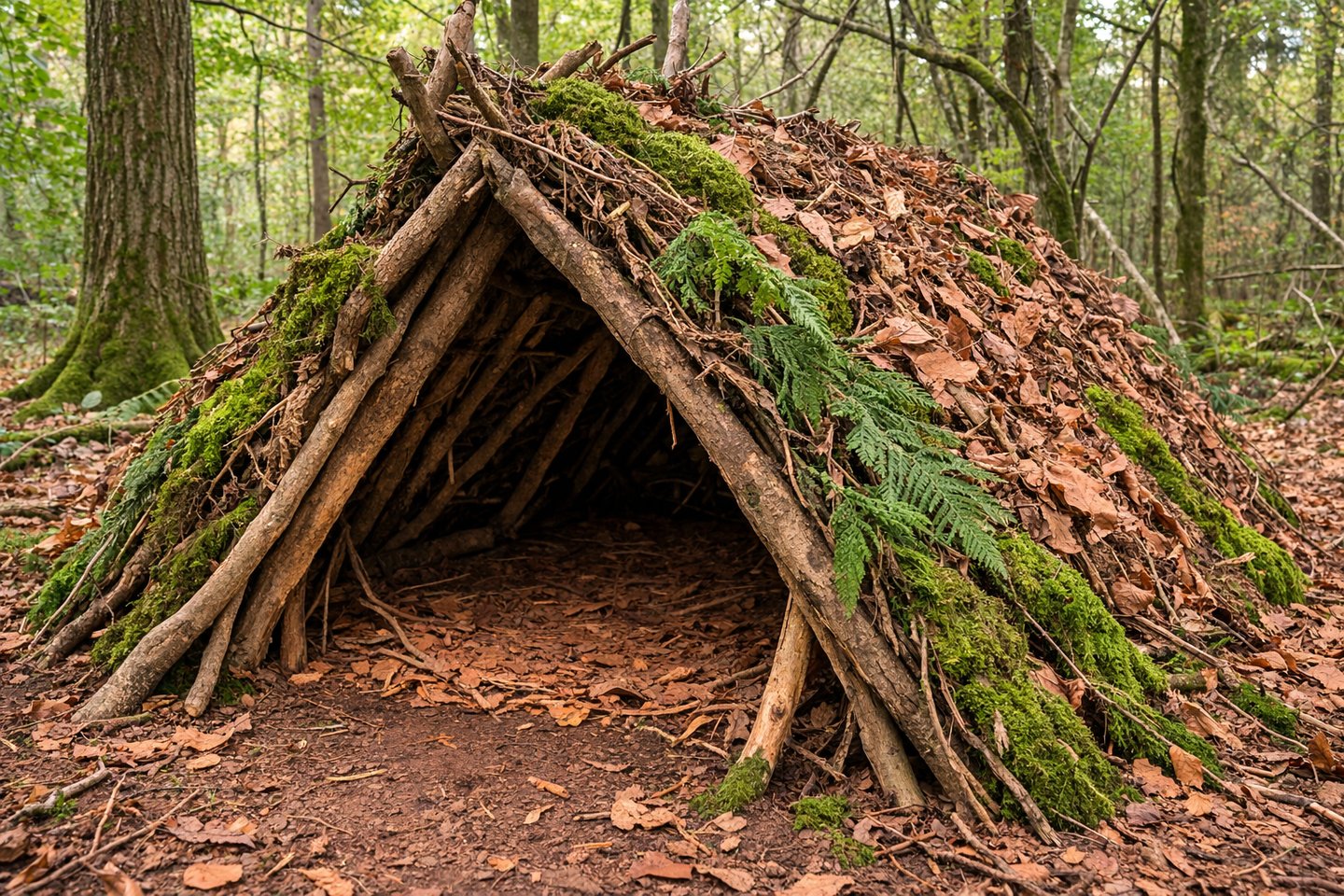
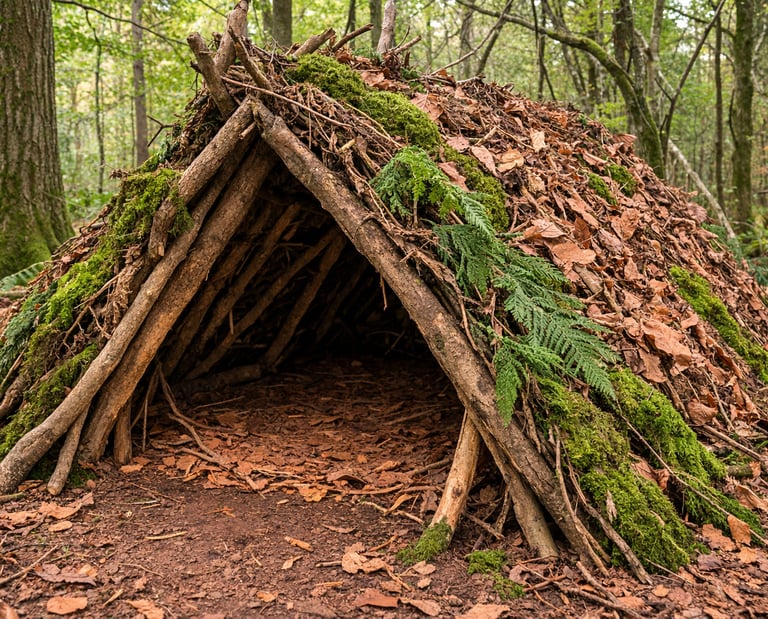
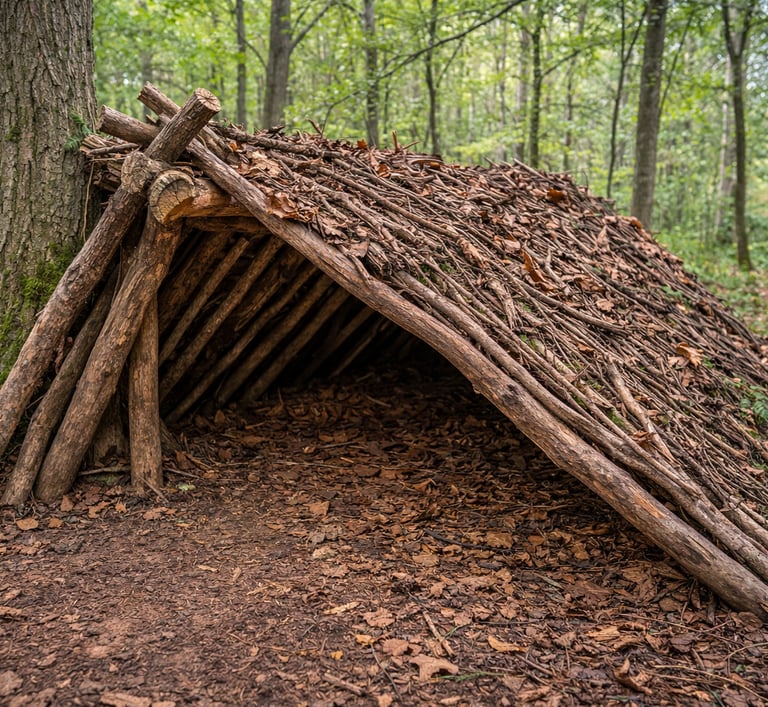
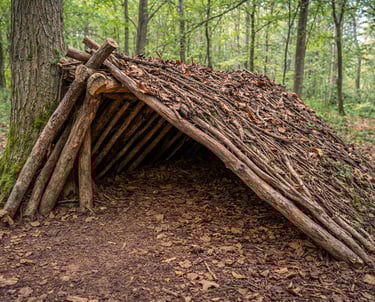
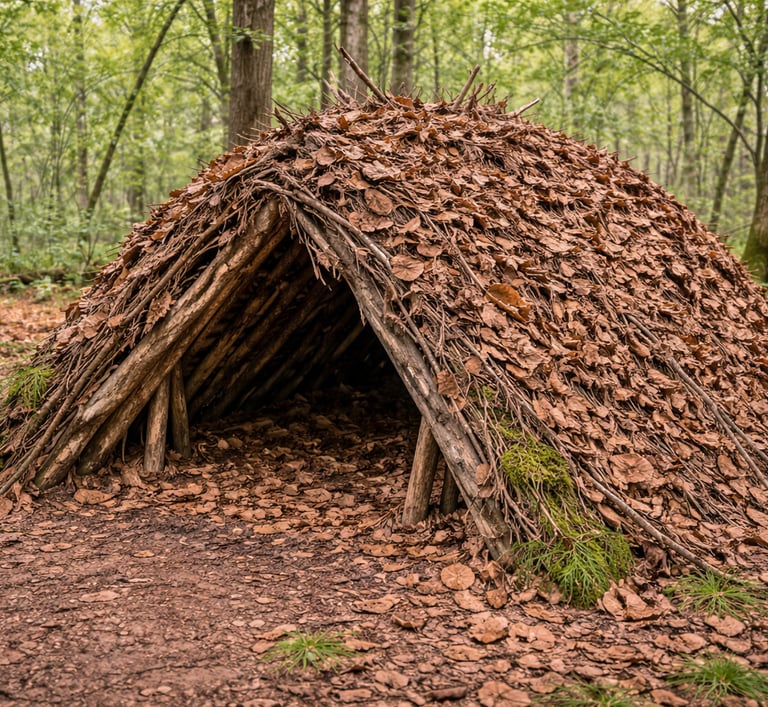
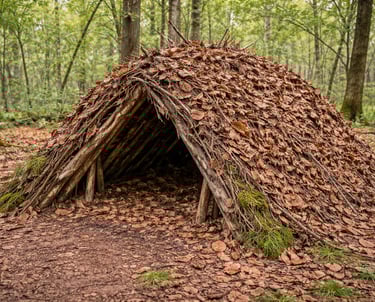
When faced with the necessity to build a wilderness shelter during a disaster or blackout, understanding the various types of shelters available is crucial for survival. Each type of shelter has its unique advantages and is suited for particular environments and durations. This segment will explore three common types of wilderness shelters: debris huts, lean-tos, and A-frames.
Debris huts are a popular choice due to their simplicity and effectiveness. Constructed from materials readily available in the environment, such as sticks and leaves, these huts are ideal for colder climates where insulation is vital. Their structure allows for a compact sleeping area, effectively trapping heat. However, they require a significant amount of debris, which can be time-consuming to gather and build. The lack of a solid framework may also pose challenges during heavy winds or storms.
Lean-tos offer a straightforward construction method, featuring one side open to the elements, which makes them more practical in areas with mild weather. The basic design can be created using fallen logs or branches leaned against a tree or slope, providing adequate shelter from rain or wind while allowing for ventilation. While this type is easier to build, its exposure may lead to heat loss, making it less suitable for colder regions.
Lastly, the A-frame shelter presents a stable option, formed by two slanted sides that meet at the top. This structure effectively sheds rain and snow, making it ideal for variable weather conditions. Though more challenging to construct than debris huts or lean-tos, the A-frame design offers increased stability and insulation, particularly if lined with additional materials.
When selecting a wilderness shelter, factors such as the local climate, availability of materials, and the intended duration of stay should be considered. Each shelter type has unique features that can significantly impact its effectiveness in providing safety and comfort.
Step-by-Step Guide: How to Build Your Wilderness Shelter
Building a wilderness shelter is a vital skill that can provide safety and warmth during a disaster or blackout. This guide outlines the essential steps to construct a durable shelter that protects against the elements.
Step 1: Site Selection
Choosing the right site is crucial for shelter construction. Look for a flat, dry area away from potential hazards such as falling branches or flooding. Ideally, select a location that offers natural insulation, such as near a rock wall or under dense foliage. Always avoid low-lying areas where cold air settles and consider wind direction to minimize exposure.
Step 2: Gathering Materials
The materials for your shelter can often be found in the surrounding environment. Common materials include branches, leaves, grasses, and debris. For a simple A-frame shelter, collect sturdy branches about six feet long for the frame. Smaller twigs and leaves will serve as insulation and covering. Ensure materials are not damp, as wet wood can compromise the shelter's integrity.
Step 3: Construction Techniques
Begin by constructing the frame of your shelter. For an A-frame, lean two long branches against a sturdy support at an angle. Secure the top with twine or rope if available.Many survivalists carry paracord for this because it is stronger and lighter.Check a survival paracord on Amazon here.
Next, add smaller branches along the sides for additional support, and layer leaves or grass on the top to create a waterproof roof. For a more advanced structure, consider building a debris hut, where a strong framework is covered entirely with leaves and twigs for insulation.
Step 4: Maximizing Protection
To enhance your shelter's effectiveness, create a windbreak using natural elements like fallen logs or rocks. Insulate the interior with leaves and pine needles to retain heat. Ensure that the entrance is small to provide efficient warmth while still allowing access. Always allow for ventilation to reduce condensation and maintain air quality..
In conclusion, building a wilderness shelter involves careful planning and resourcefulness. By selecting an appropriate site, gathering the right materials, and applying effective construction techniques, you can create a safe refuge that enhances your chances of survival in adverse conditions.
Essential Survival Tips and Maintenance for Your Shelter.
Building a wilderness shelter is only the first step in ensuring your survival during a disaster or blackout. Maintaining your shelter is crucial for providing ongoing safety and comfort. Here are some essential tips for sustaining your wilderness dwelling.
Firstly, reinforcing the structure of your shelter should be a priority. Depending on the materials utilized, you may need to periodically check for any signs of wear or damage. For instance, if you have constructed a shelter using branches, be vigilant about potential rot or instability. It is essential to regularly inspect the integrity of the walls and roof, replacing any weak components as necessary to ensure its structural soundness.
Insulation is another critical aspect. Weather conditions can change abruptly, impacting the internal temperature of your shelter. To enhance insulation, consider using natural materials such as leaves, moss, or grass. These materials can be stuffed between walls or on the floor to maintain warmth. Additionally, ensure that the shelter is designed to minimize drafts, which can be achieved by closing gaps where wind may enter.
Adaptability is key, as various weather conditions will necessitate adjustments to your shelter. In rainy or snowy conditions, you may need to add drainage ditches or lean-to structures to divert water away from your habitat. Conversely, during hot weather, incorporating openings can improve ventilation.
Furthermore, safety should never be overlooked. Create fire safely.A waterproof fire starter can make this much easier in emergencies.See a survival fire starter on Amazon here, adhering to local regulations and environmental considerations. A controlled fire can provide both warmth and a means for cooking, making it vital for survival. Establish fire management techniques, such as using stones to contain the fire, and always have water accessible for emergencies.
Lastly, consider your sustenance strategies. Familiarize yourself with local flora and fauna to identify edible plants and potential sources of food. Have a plan for food storage, and try to keep your living area organized to maximize efficiency. By implementing these survival tips and maintaining your shelter attentively, you will be better prepared to face the challenges of wilderness living.

Recommended Survival Gear
Emergency Bivy – Check price on Amazon
Survival Tarp – Check price on Amazon
Paracord – Check price on Amazon
Fire Starter –Check price on Amazon
As an Amazon Associate, I earn from qualifying purchases.