When disaster strikes, you may only have minutes to act.
A properly packed 72-hour emergency kit (also called a go-bag) can keep you safe, fed, and prepared for the first critical three days after a natural disaster, evacuation, or power outage.
Here are the 15 essential items every emergency kit needs — plus the exact gear I recommend.
15 Things Every 72-Hour Emergency Kit Needs
1.Water — The One Thing You Cannot Run Out Of.
Water — Your #1 Priority
When emergencies happen, water disappears first.
You can survive weeks without food.
You may only survive 3 days without water.
Minimum for 72 Hours:
1 gallon per person per day
At least 3 gallons per person
But stored water runs out — and it takes up space.
That’s why smart preparedness includes filtration.
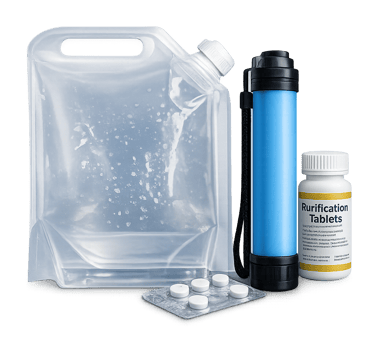
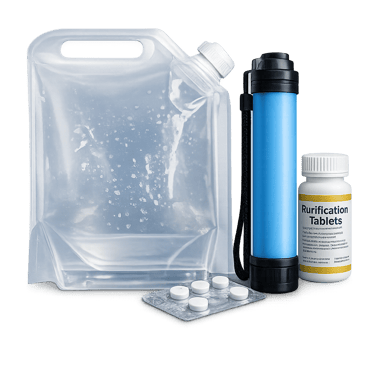
Portable Water Filter (Essential Backup).
If your stored water is gone, you need a way to make more safe to drink.
See the portable water filter I recommend here.
Removes bacteria and contaminants
No power required
Lightweight and go-bag friendly
Can filter hundreds of gallons
This gives you renewable access to water — not just a limited supply.
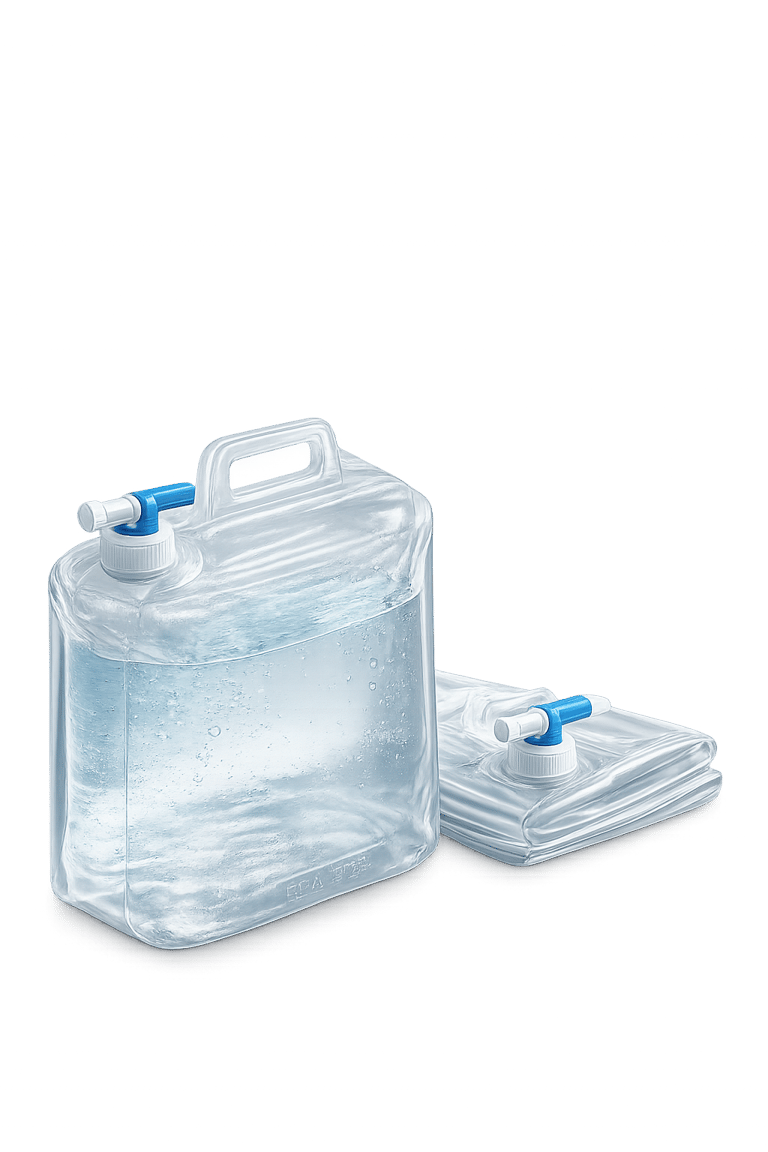
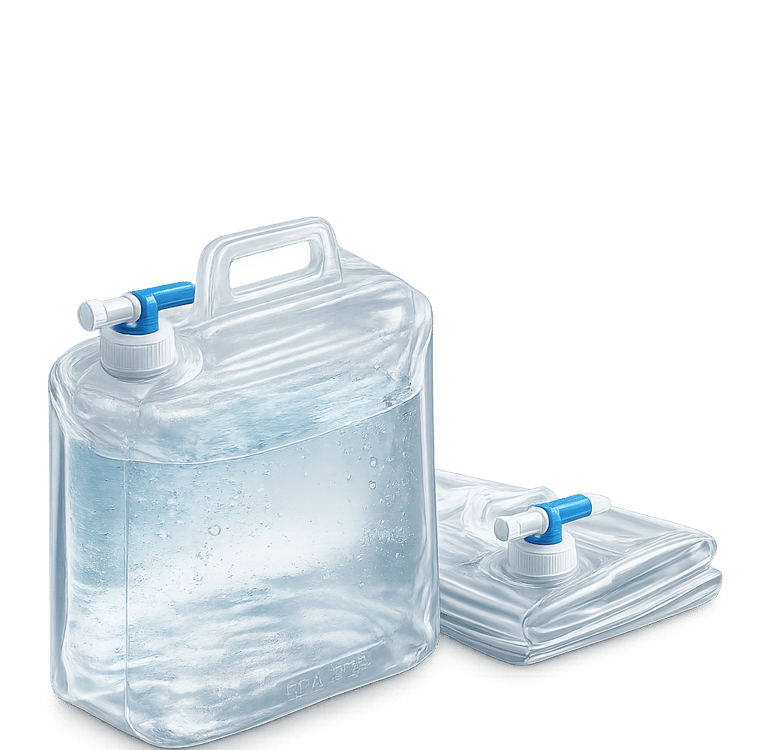
Collapsible Water Containers (Space-Saving).
Storage still matters — but it doesn’t have to take up your whole closet.
These collapsible water containers fold flat when empty.
Easy to store
Quick to fill when warnings hit
Durable and BPA-free
2. Non-Perishable Food (3-Day Supply)
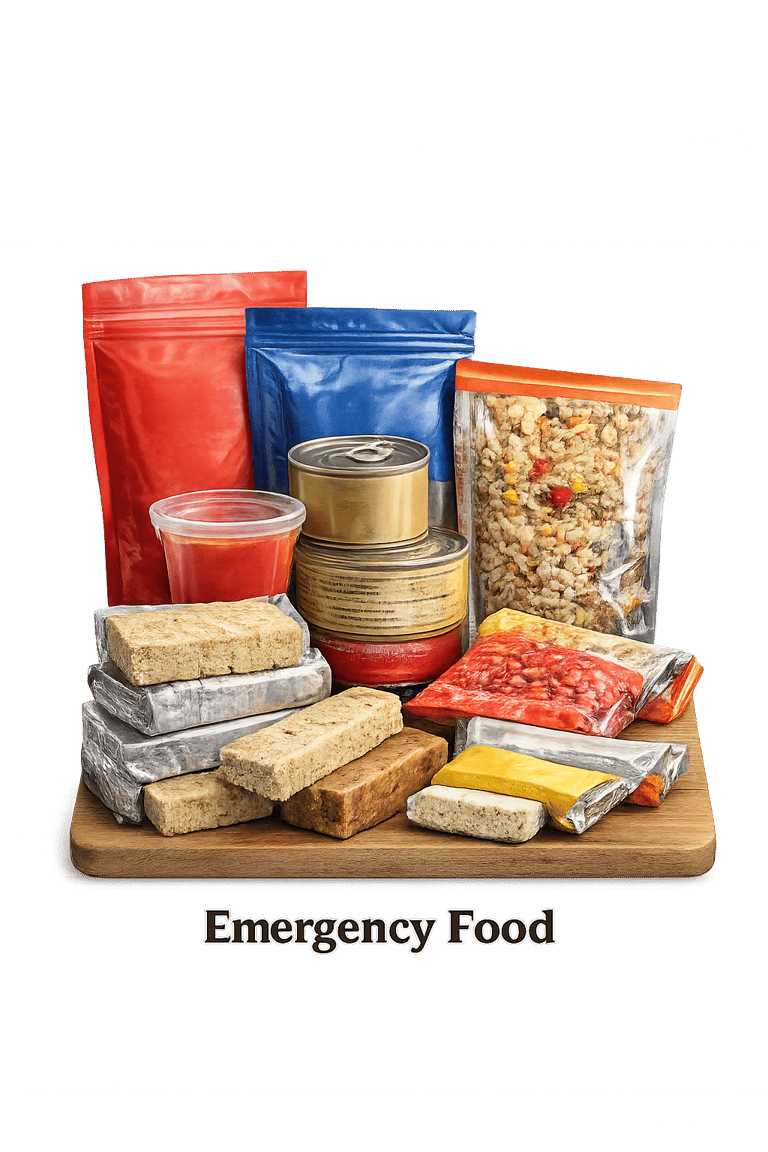
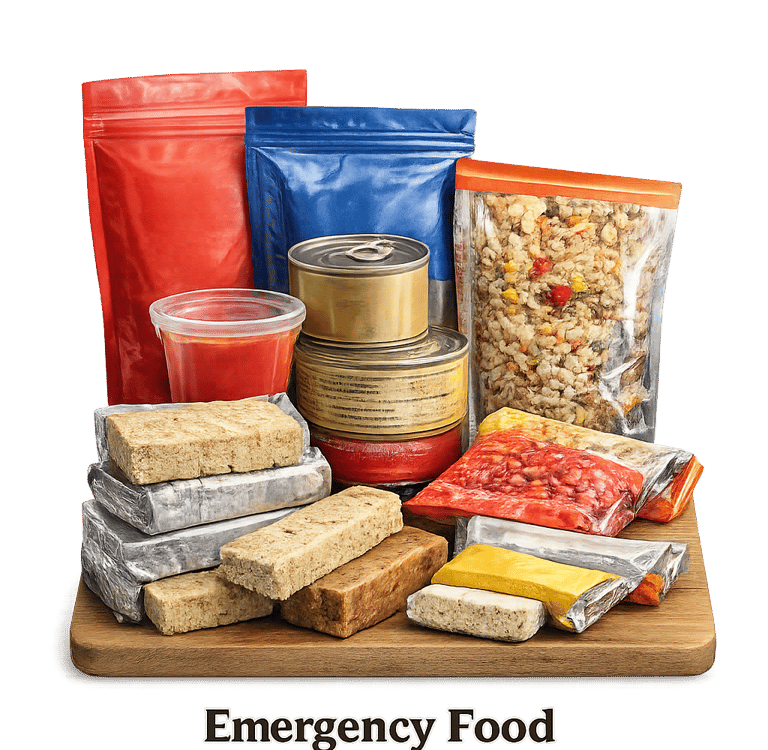
Choose foods that:
Require no refrigeration
Have long shelf life
Require minimal prep
For simplicity, many beginners start with:
These 72-hour emergency food kits (ready-to-store).
If you prefer DIY:
3. Manual Can Opener.
This gets forgotten constantly.
This gets forgotten constantly — and it’s one of the most important tools in your kit.
If you’re storing canned food, none of it matters without a way to open it. In a power outage, electric openers are useless. A sturdy manual opener guarantees access to your food when you need it most.
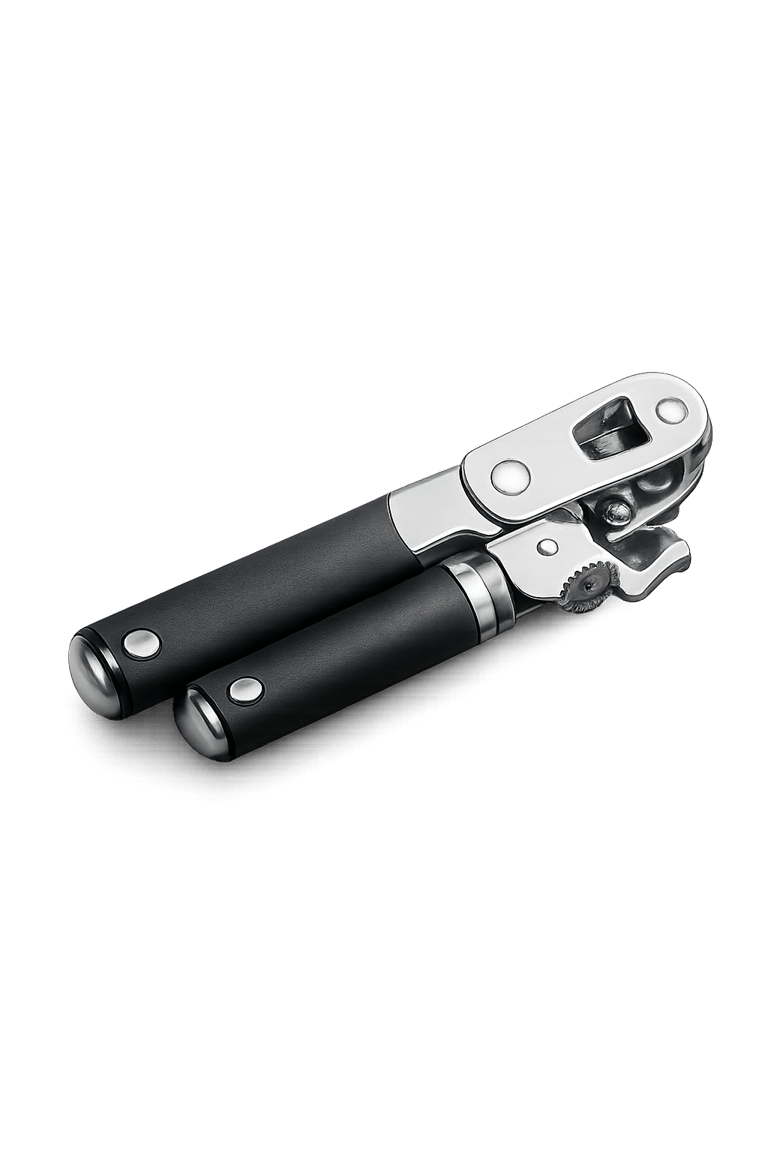
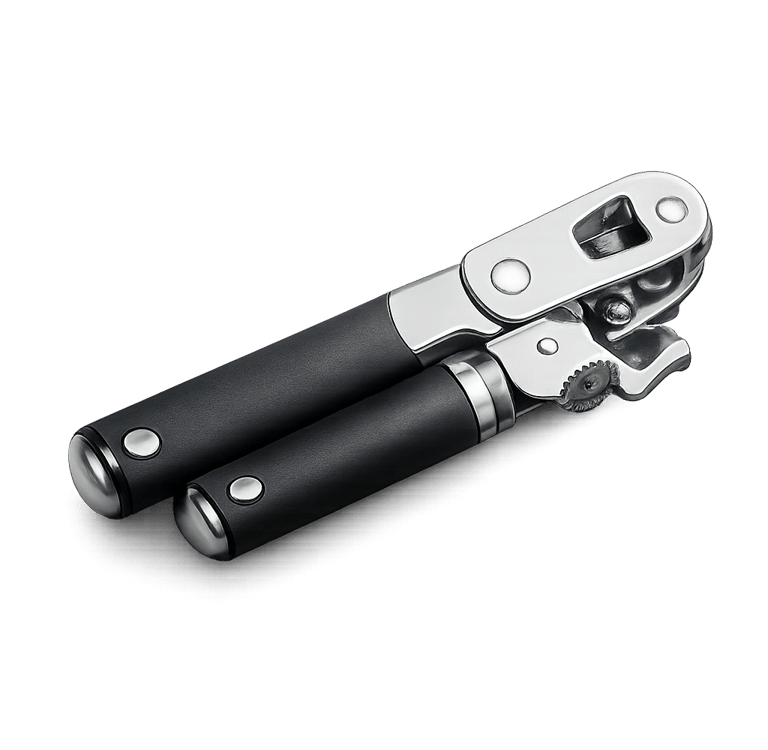
This compact heavy-duty can opener fits easily in a go-bag.
Why this one works well for emergency kits:
✔ Heavy-duty stainless steel cutting wheel
✔ Smooth-turn ergonomic handle (easy on your hands)
✔ Compact enough for small storage spaces
✔ No batteries or power required
✔ Durable enough for long-term storage
It’s small, inexpensive, and weighs almost nothing — but without it, your emergency food supply could be completely inaccessible.
This is one of those “low cost, high importance” items that smart preppers never skip.
4. First Aid Kit.
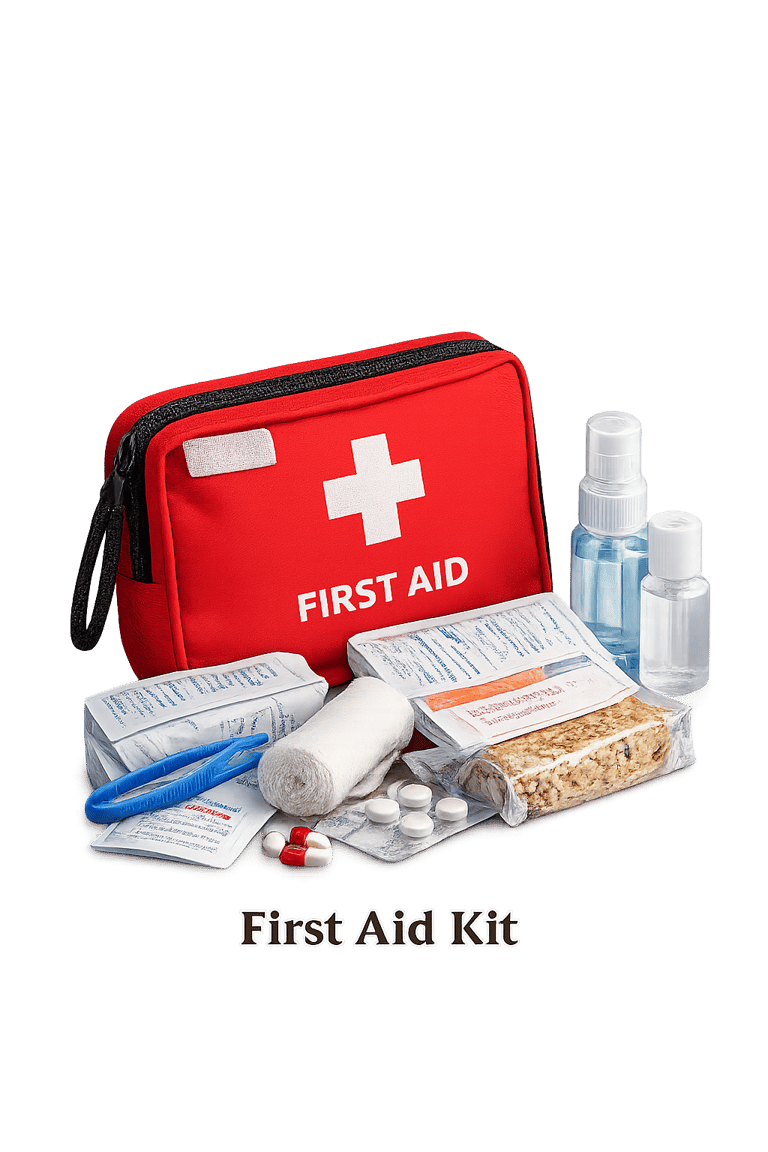
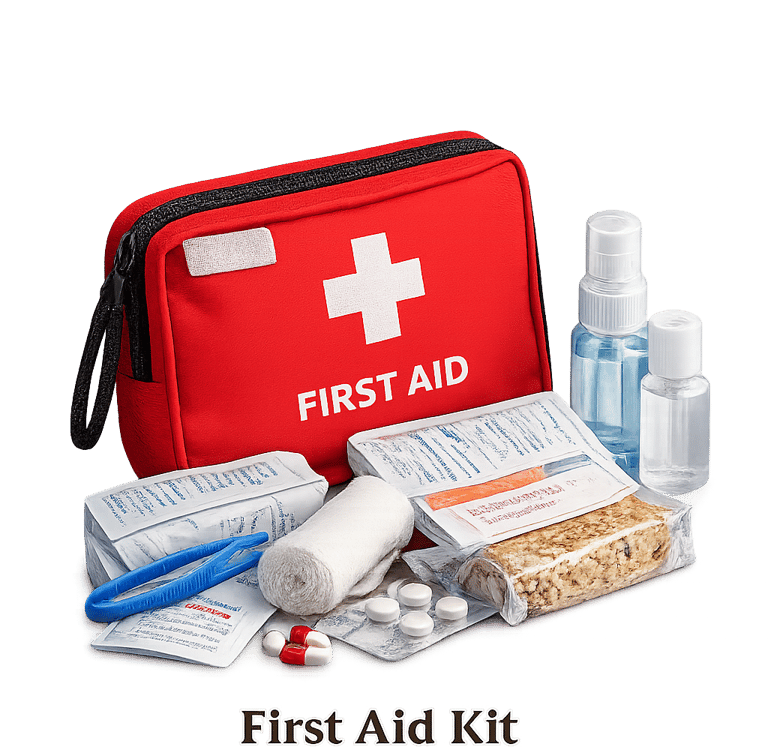
Your kit should include:
Bandages
Gauze
Antiseptic
Pain relievers
For convenience:
This compact emergency first aid kit covers the basics.
If you want something more advanced:
5. Flashlight + Extra Batteries.
Power outages are extremely common.
Hands-free lighting is even better.
This LED headlamp is lightweight and reliable [Affiliate Link]
Backup option:
This solar/hand-crank flashlight works without batteries [Affiliate Link]
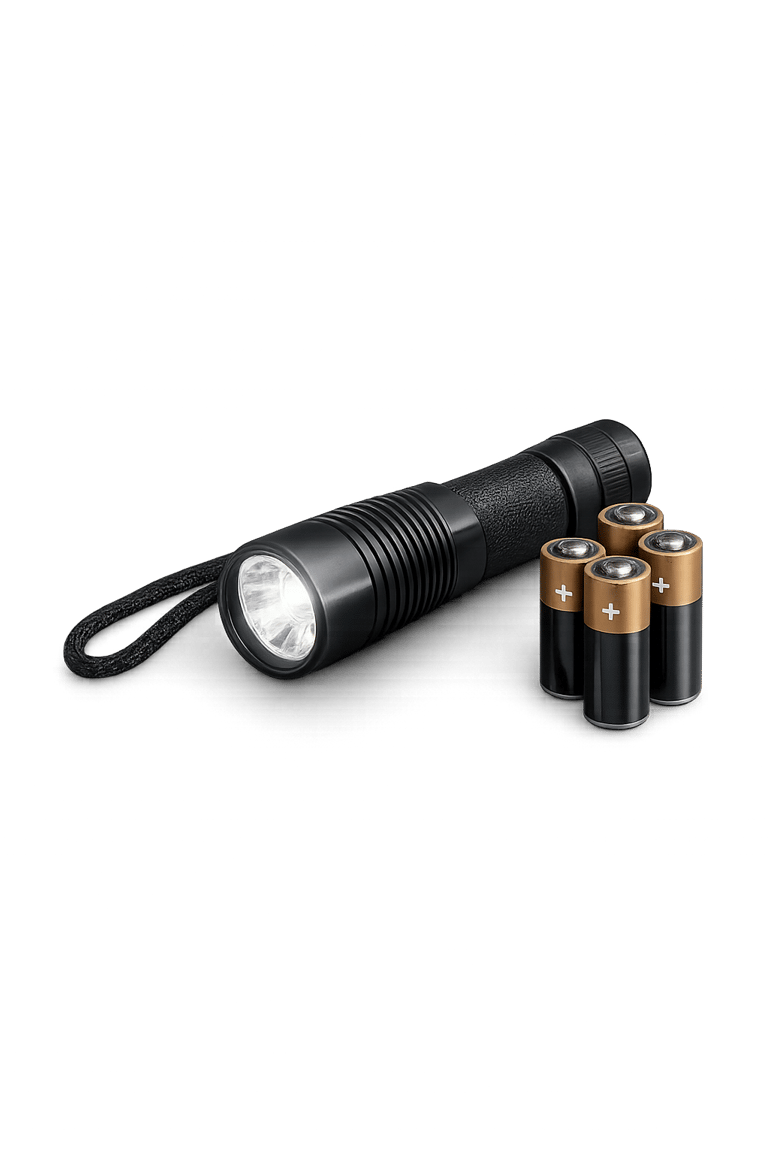
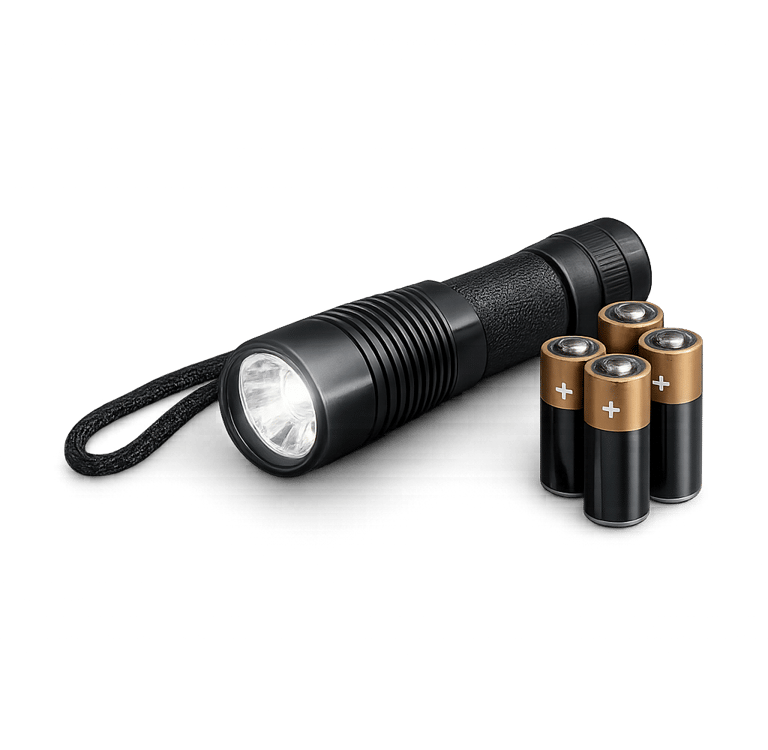
6. Multi-Tool.
A quality multi-tool can:
Cut rope
Tighten screws
Make quick repairs
Here’s a durable multi-tool that won’t fail under stress [Affiliate Link]
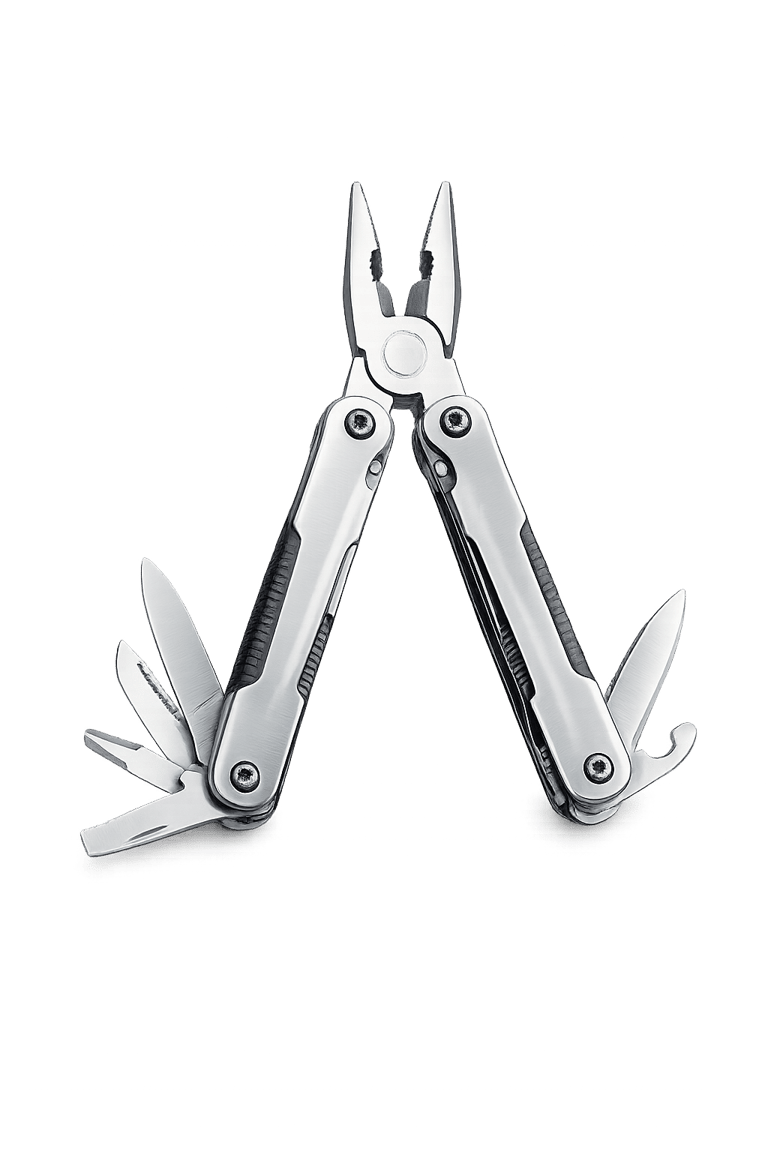
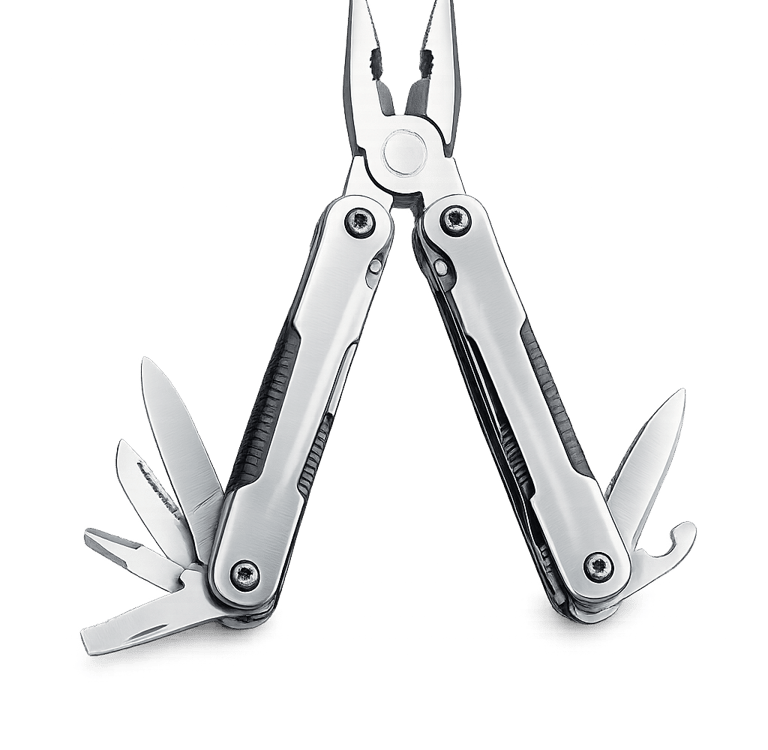
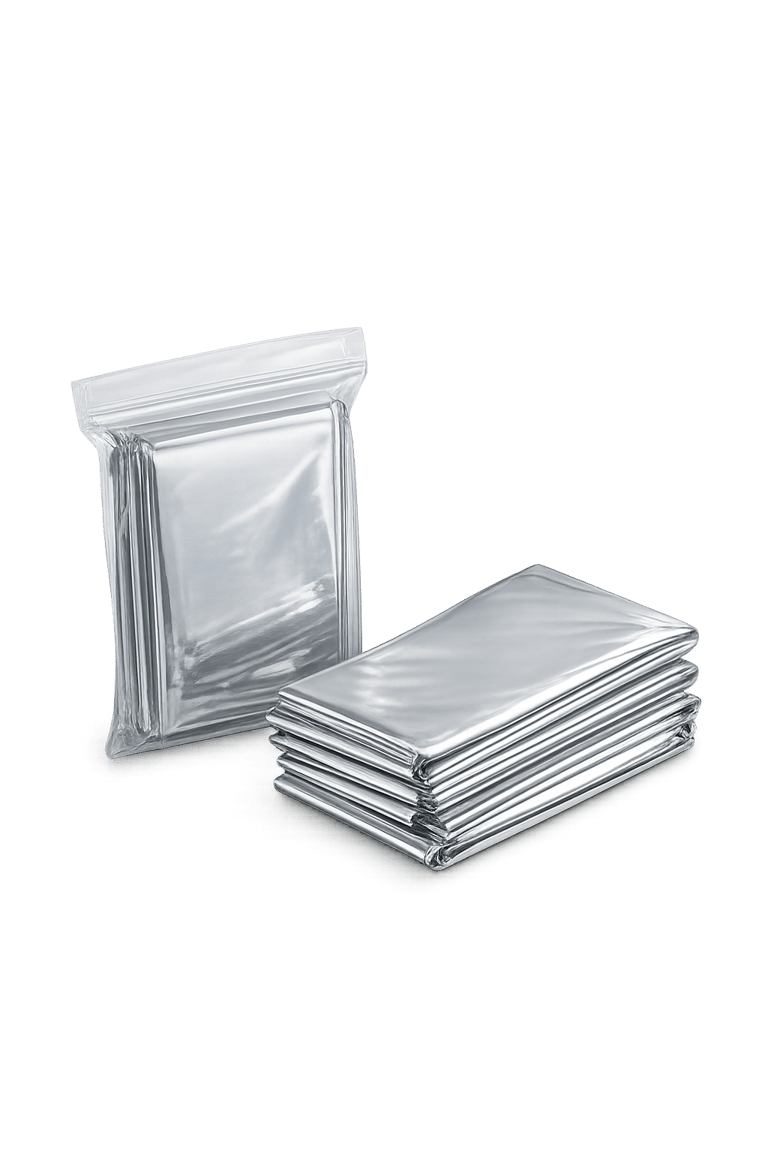
7. Emergency Blanket.
Thermal blankets are compact and inexpensive.
These emergency thermal blankets fold down small [Affiliate Link]
If you have space:
This lightweight compact sleeping bag is better for cold climates [Affiliate Link]

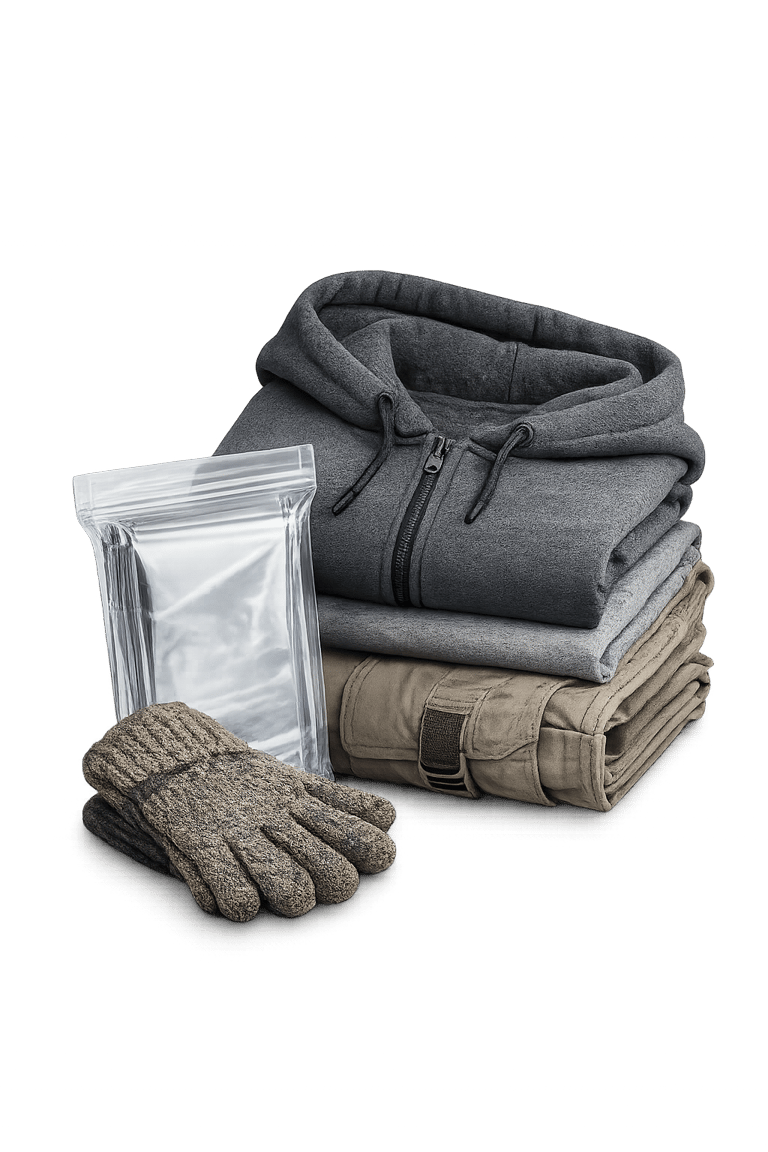
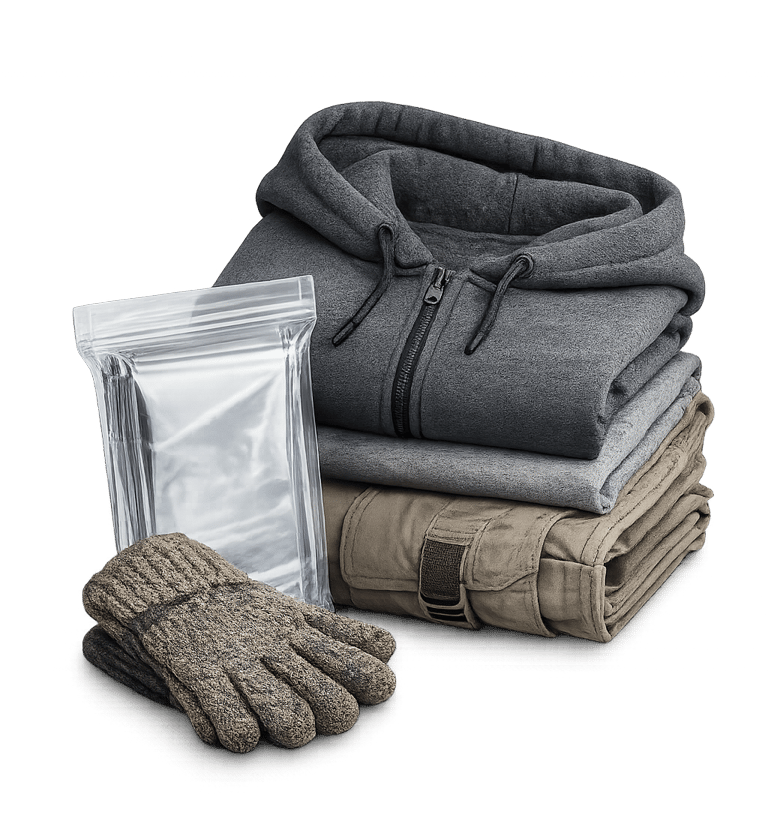
8. Extra Clothing.
Pack:
Change of clothes
Socks
Gloves
Rain poncho
This compact rain poncho folds into a small pouch [Affiliate Link]
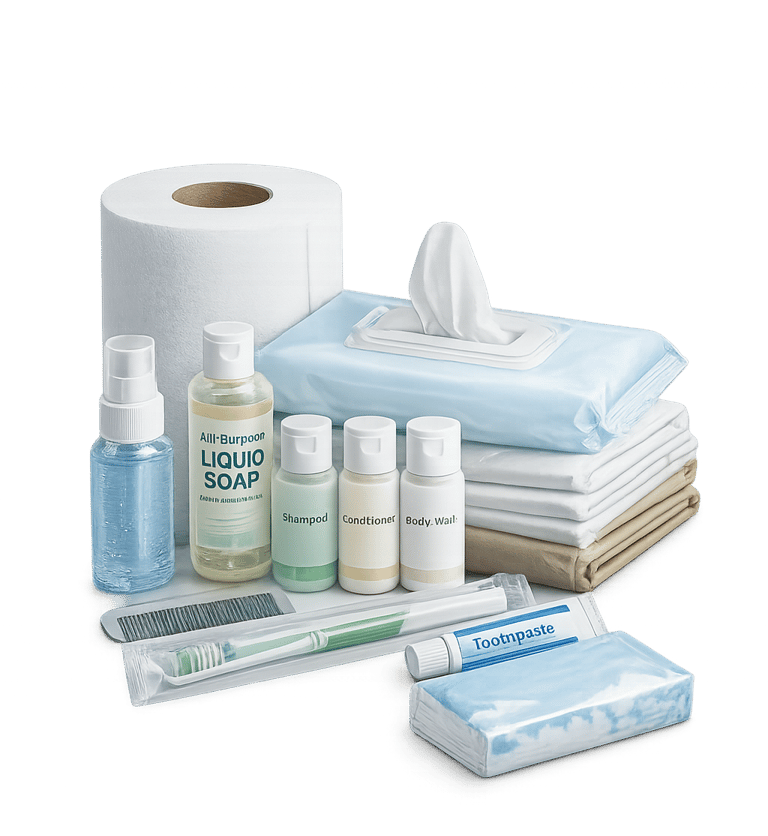
9. Hygiene Supplies.
Include:
Toothbrush
Wet wipes
Hand sanitizer
These individually wrapped hygiene kits are great for emergency bags [Affiliate Link]

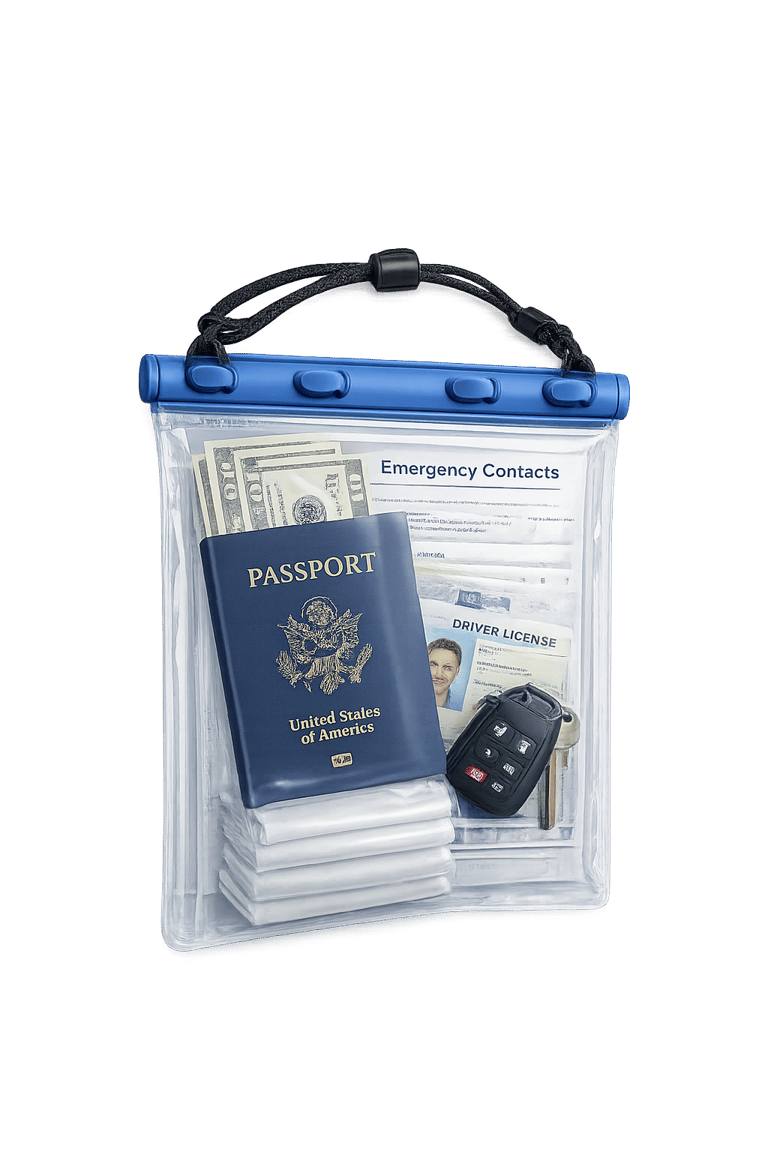
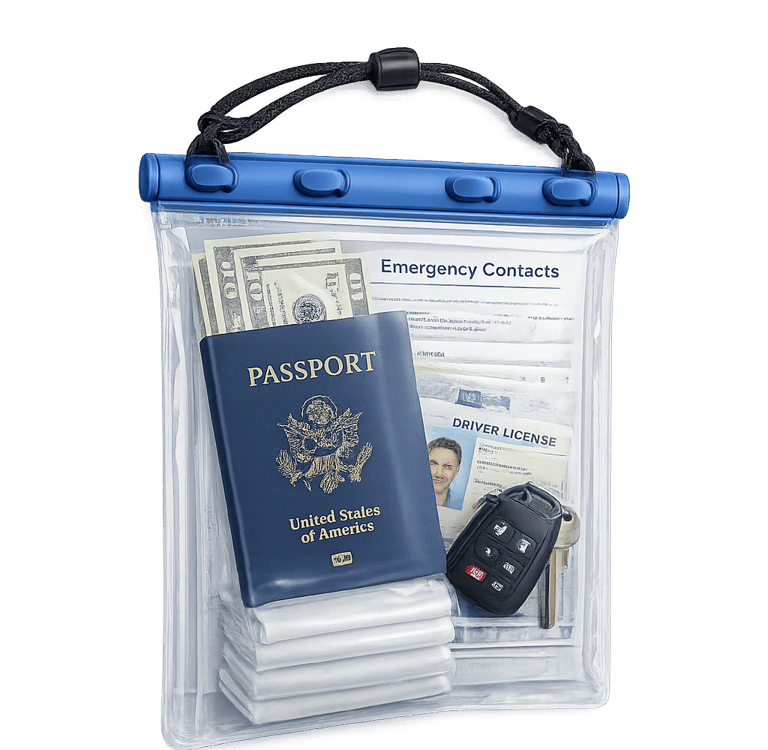
10. Waterproof Document Storage.
Make copies of:
IDs
Insurance policies
Medical info
This waterproof/fire-resistant document pouch protects essentials [Affiliate Link]
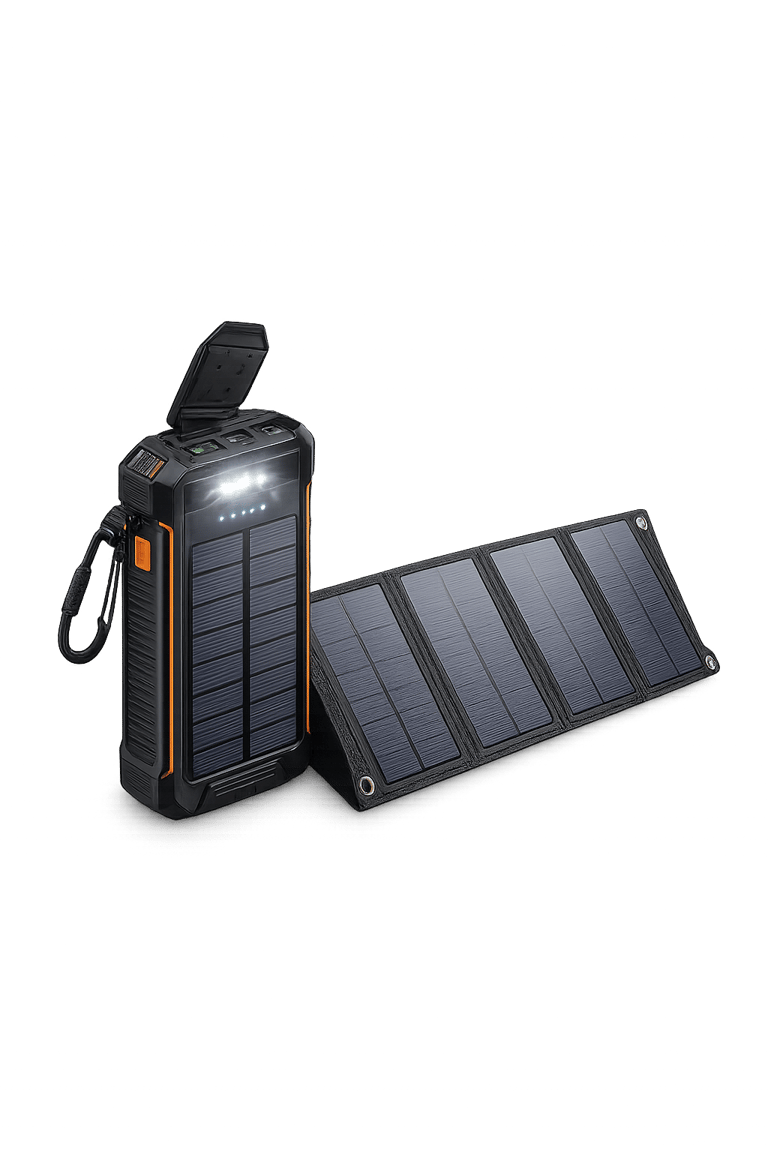
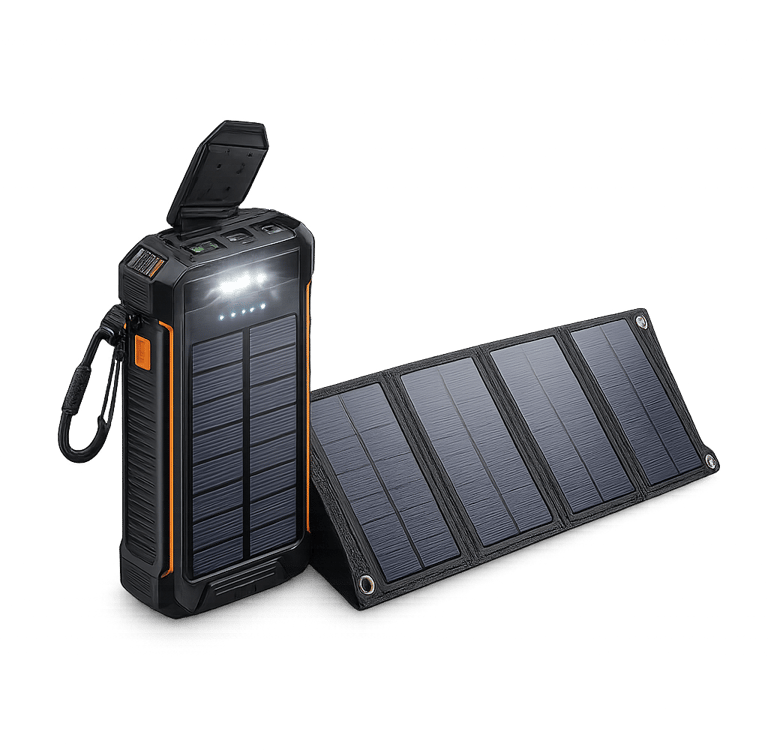
11. Power Bank (Stay Connected)
During an emergency, your phone is your lifeline.
It’s how you get alerts, contact family, check evacuation routes, and call for help. But when the power goes out, outlets don’t work.
That’s why a high-capacity power bank is essential.
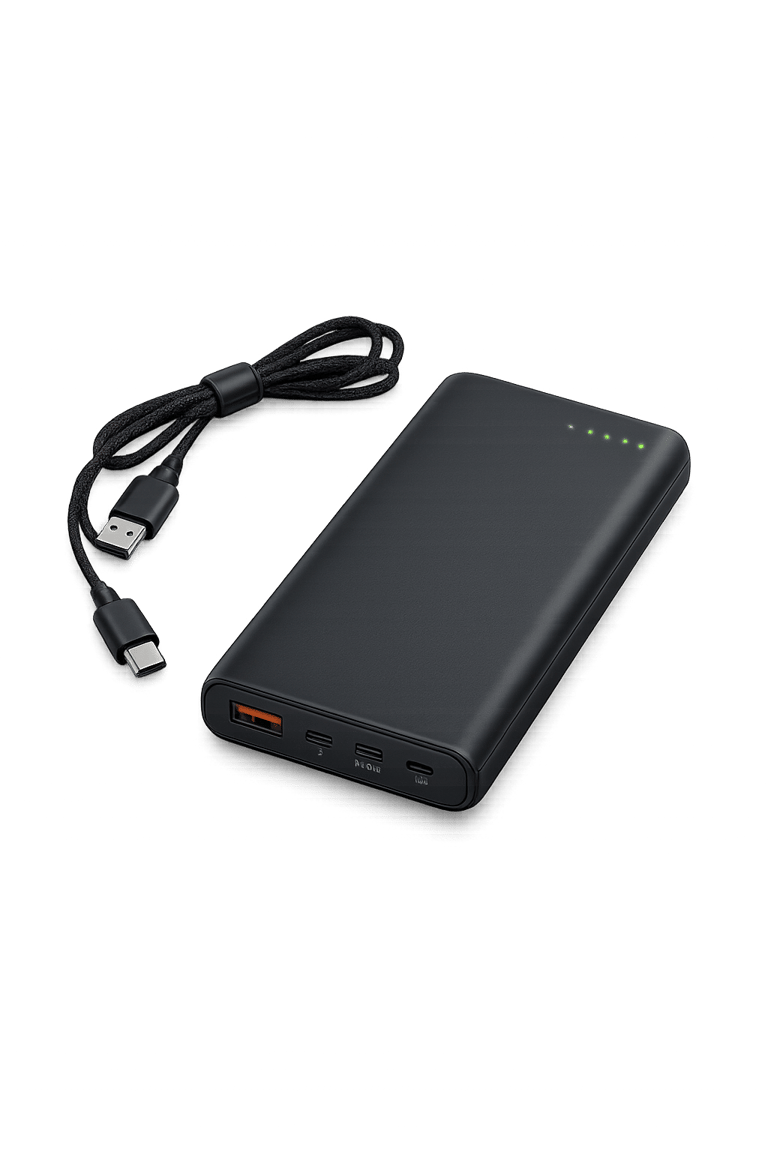
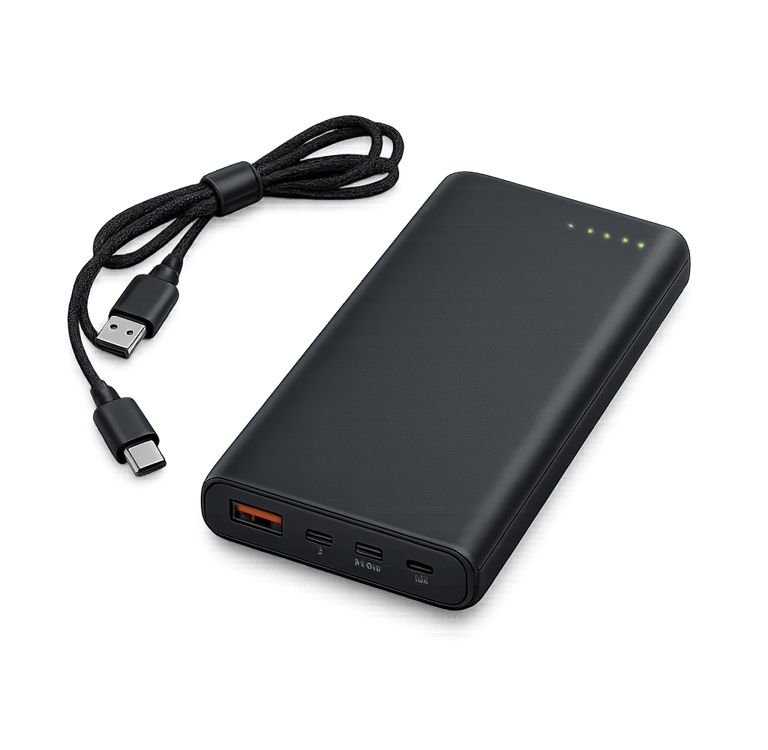
See the power bank I recommend here [Affiliate Link]
What to Look For:
At least 10,000–20,000 mAh (multiple full charges)
Multiple USB ports
Fast charging
Battery level indicator
Compact, durable design
A quality power bank can recharge your phone several times — keeping you connected when it matters most.
Optional upgrade:
Add a portable solar charger for extended outages [Affiliate Link]
Charge it monthly and keep the cable inside your kit.
When the grid goes down, power equals communication — and communication equals safety.
12. Emergency Radio (Information = Survival).
When cell towers go down and the internet stops working, a battery-powered emergency radio becomes your direct line to critical updates.
It allows you to receive:
NOAA weather alerts
Evacuation orders
Storm updates
Emergency broadcasts
Local safety instructions
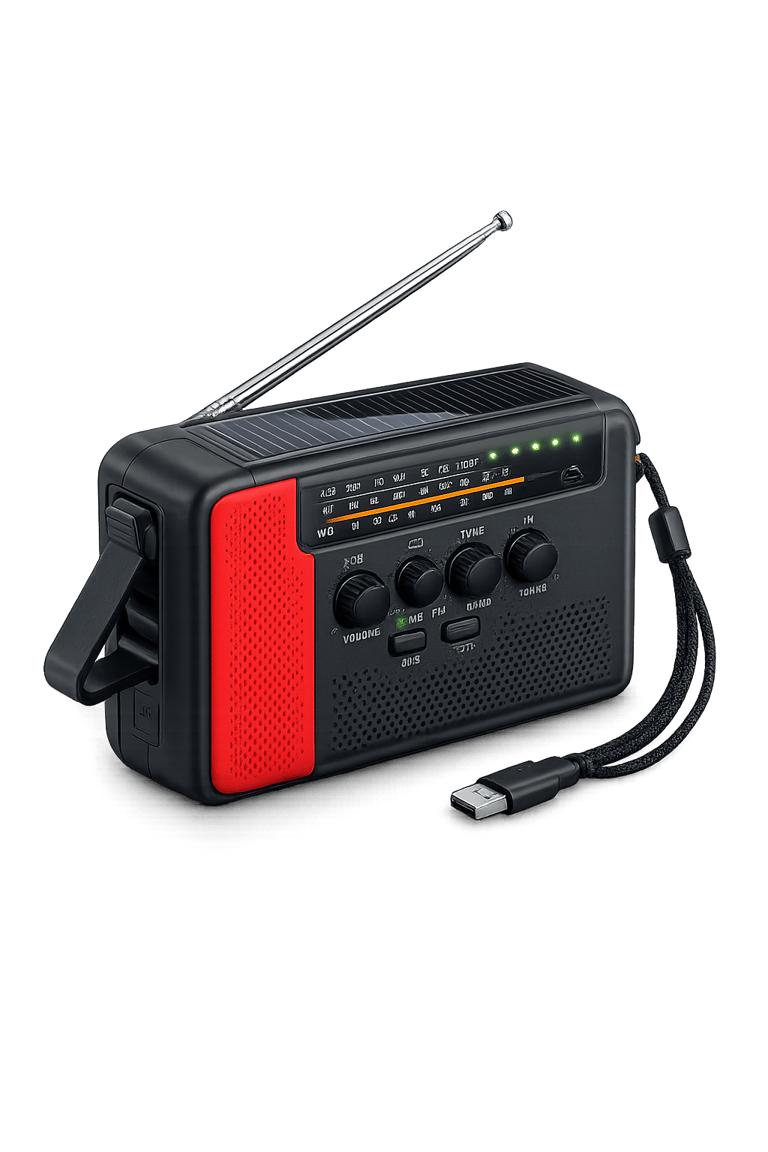
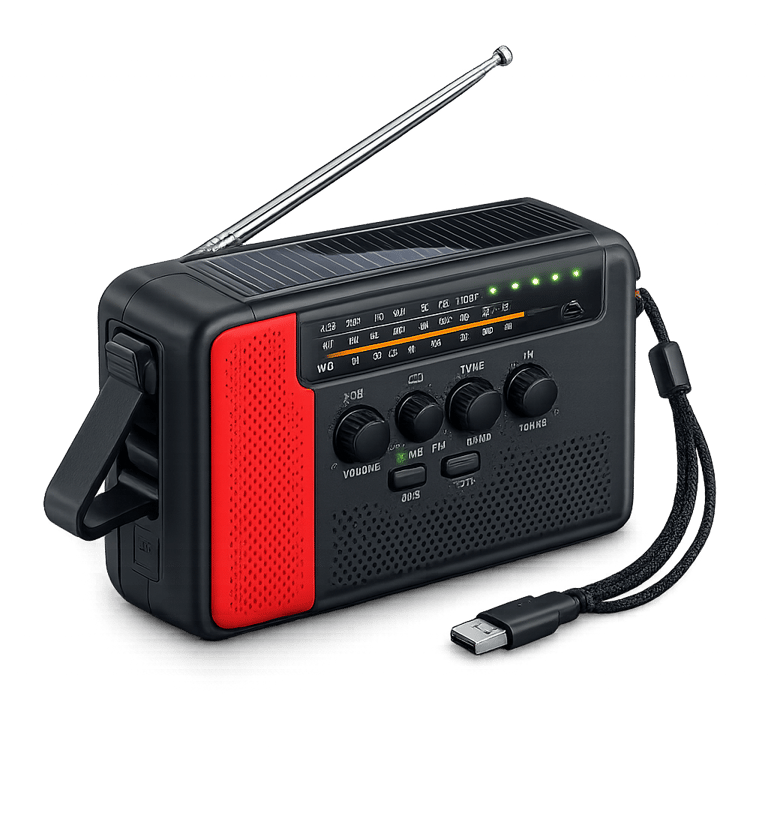
See the emergency radio I recommend here [Affiliate Link]
What to Look For:
✔ NOAA weather band access
✔ Multiple power sources (hand crank, solar, USB)
✔ Built-in flashlight
✔ USB port to charge your phone
✔ Compact, durable design
The hand crank and solar backup mean you’re never fully dependent on batteries. Even in extended outages, you can generate your own power.
In a real emergency, information reduces panic and helps you make smarter decisions.
Food and water keep you alive.
Information keeps you prepared.
13. Cash (When Cards Don’t Work).
During major outages, card machines and ATMs often go offline.
No power = no digital payments.
That means even if stores are open, you may not be able to buy essentials unless you have physical cash.
👉 Keep small bills stored safely in your emergency kit
Why Cash Matters:
✔ Credit/debit systems can go down
✔ ATMs may be empty or offline
✔ Gas stations may only accept cash
✔ Small businesses often switch to cash-only during outages
Smart Strategy:
Keep small denominations ($1s, $5s, $10s, $20s)
Store it in a waterproof pouch
Rotate it every 6–12 months
You don’t need thousands — even a few hundred dollars in small bills can make a huge difference during evacuations, fuel shortages, or supply runs.
In emergencies, cash gives you flexibility — and flexibility gives you options.


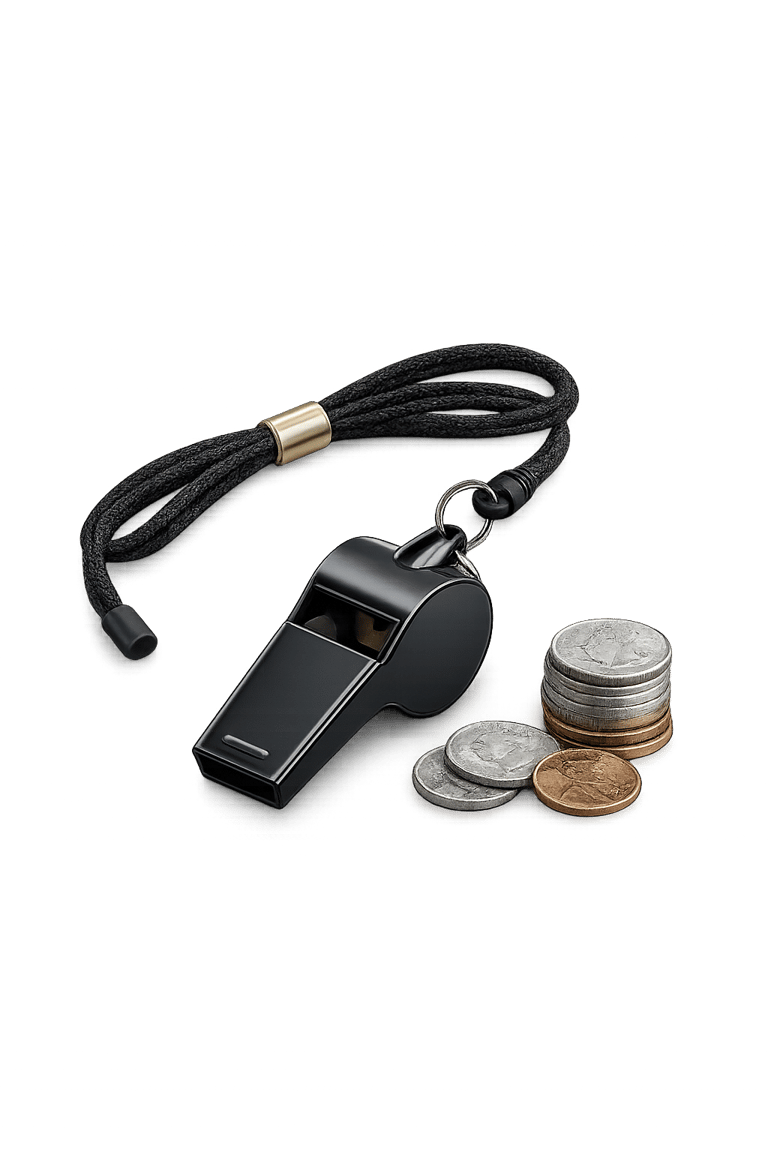
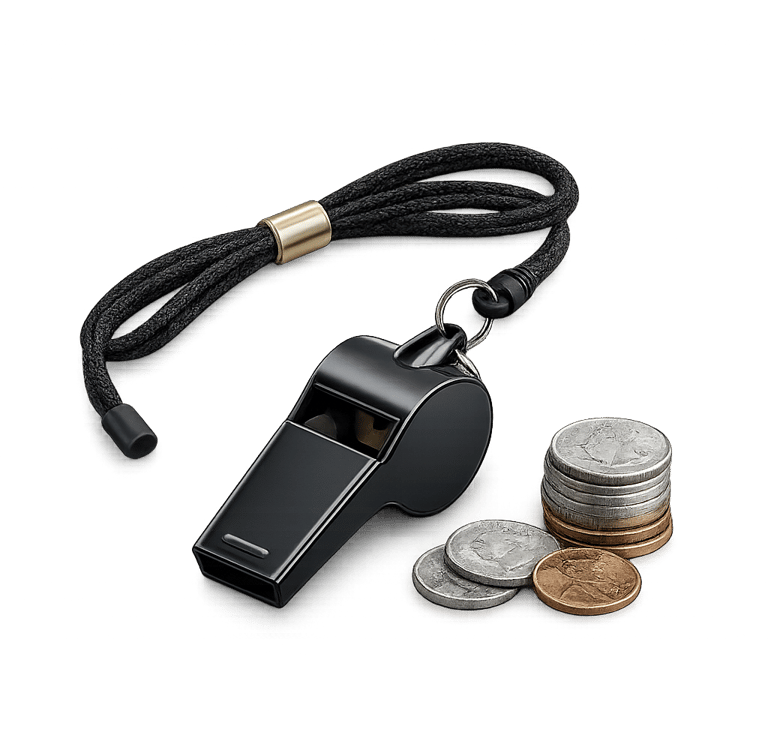
14. Whistle.
Small but powerful.
This emergency whistle is loud and lightweight [Affiliate Link]
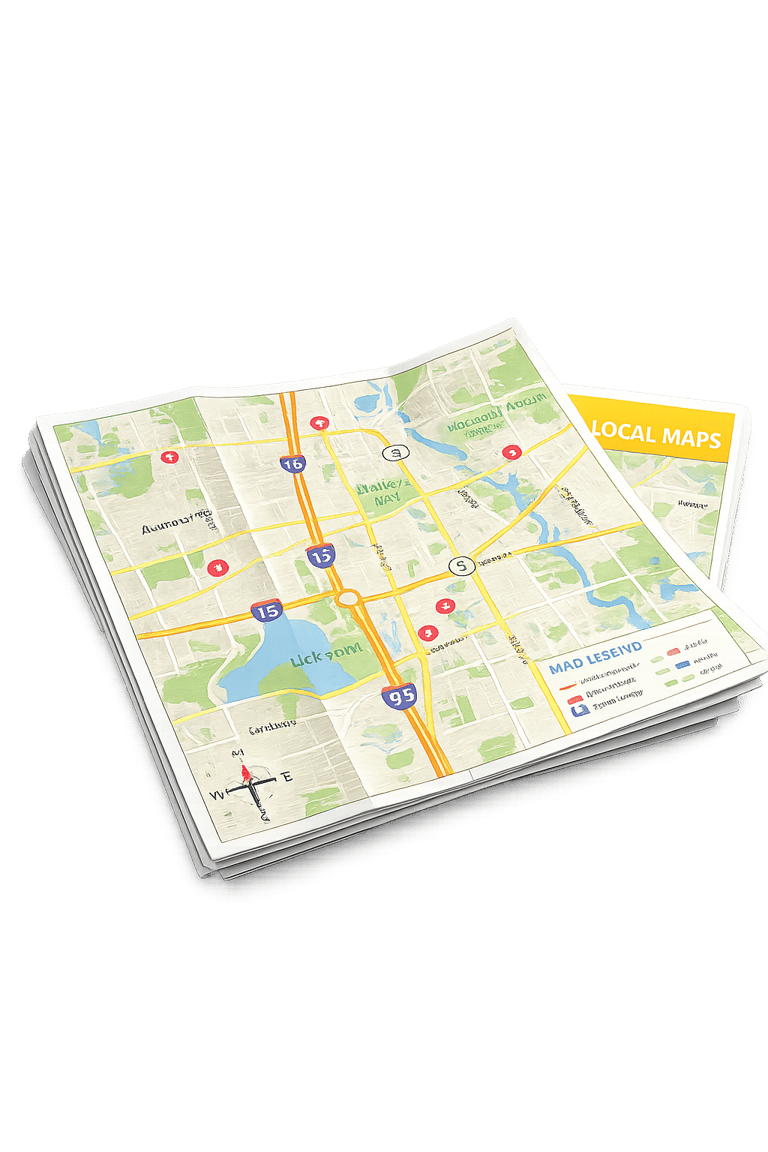
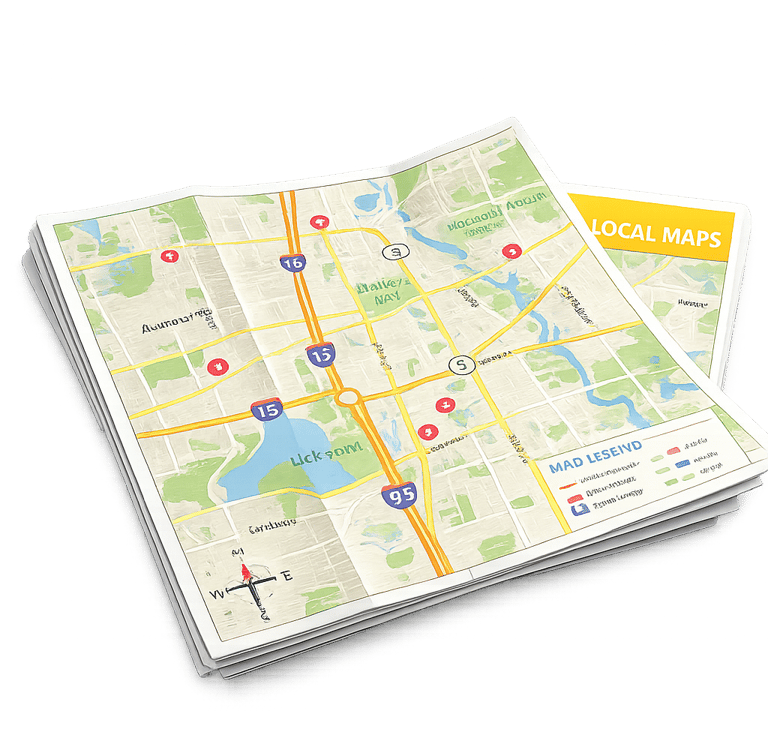
15. Local Maps.
GPS can fail.
👉 This state emergency road atlas is good to keep in your vehicle kit [Affiliate Link]